Wednesday, June 25, 2014

Mendelevium

Mendelevium was first identified by Albert Ghiorso, Bernard Harvey, Gregory Choppin, Stanley Thompson, and Glenn Seaborg in 1955 at the Lawrence Berkeley National Laboratory, California. Only 17 atoms were produced in an all night experiment- it was highly dissapointing, as it was supposed to produce 3-4 atoms per hour. It was named after the Russian chemist Dmitri Mendeleev- the guy who devised the first periodic table.

Like many elements in the actinide series, mendelevium is highly radioactive and must be stored carefully. It is not found free in nature, and it has not been produced as metal yet. It is currently only of scientific use. It is produced through charged articles of lighter elements.

Monday, June 23, 2014

Einsteinium

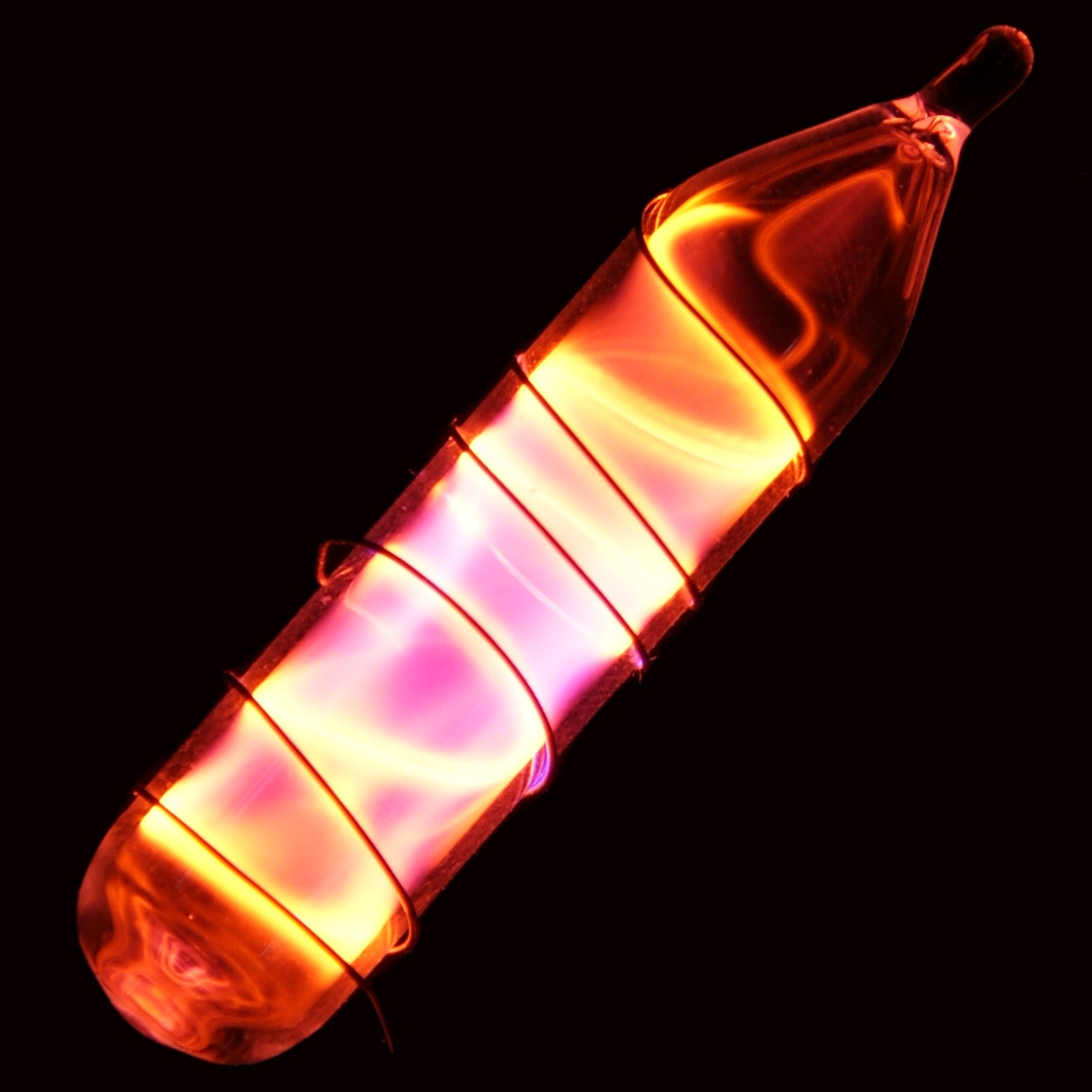
Einsteinium was first discovered in 1952 by scientists at the Lawrence Berkeley National Laboratory. The project was led by Albert Ghiorso. It was found with fermium in debris from a hydrogen bomb test, on filter papers from a plane that had flown over the explosion area. After finding the small amount, all the coral in the surrounding area (hundreds of pounds of it) was examined to see if there was more. As of today, it can only be produced in very tiny amounts- 2 grams being the highest amount.

It was named after- you guessed it, Albert Einstein! It is very harmful due to it's high radioactivity. It is never found naturally, as it is a synthetic metal. The first time it was actually brought down to it's natural form was more than a decade after it's initial discovery. It currently has no other use to it than research purposes.


Friday, June 6, 2014

Sugilite

sugilite cabochons
What is sugilite?
Sugilite was found in 1944. However, the largest amount was found in 1975 in the Kalahari Desert in Northern South Africa. Also, in 1979 a large deposit of the gem was found only 3200 feet below the first discovery. If only they had kept digging a little more....'

Sugilite is a very beautiful purple gem that can range from a pale lavender/grey to a deep, rich purple. It is also a very waxy gem- which is surprising as it is relatively hard, and 6.5/7 on the Mohs scale.


Where is it found?
Sugilite was actually discovered first in Japan. It is named after the Japanese geologist who first discovered the specimen, Ken-ichi Sugi. Other than Japan, it can be found in:

  • South Africa
  • Canada
  • India


The mystic sugilite
Sugilite is said to strengthen the heart, aid in physical healing, and reduce stress. It is also said to be a balancer of the mind, body and spirit and encourages peace of mind. Legend also says it is used to protect against anger and other negative energies....


Friday, May 23, 2014

Onyx

What is onyx?
onyx stones
An onyx is a very dull gemstone that is found in Brazil, India, and California. It has a very smooth texture and is usually brown, though there are some brown and red onyx too. Some onyx have white stripes through them. These specific types are called sardonyx.

The word onyx comes from the Greek term for nails or claws. The myth is that when Venus slept with Eros, he clipped her fingernails and they fell to Earth. Since no part of a God can die, they were instead turned into stone which became onyx.
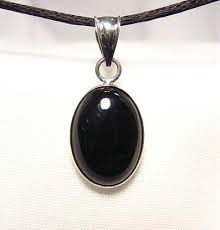
Onyx is a 6.5 on the Mohs scale of Hardness, and is often used in grinding and carving. It is made up out of microcrystalline quartz, which gives it a very strong structure. Onyx was worn as a protective stone in battle, and also used to carve small Hercules statuettes for courage.

Onyx is also believed to be an increase of happiness, instinct, and intuition. It is also worn to help fight disease and break bad habits.


Wednesday, May 14, 2014

Berkelium

Berkelium was first discovered by Stanley Thompson, Albert Ghiorso and Glenn Seaborg in 1949. It was named after Berkeley, California where it was discovered. It was created by bombarding americium and was separated and identified by high temp ion-exchange columns. It is only produced in small amounts at labs by nuclear reactions.

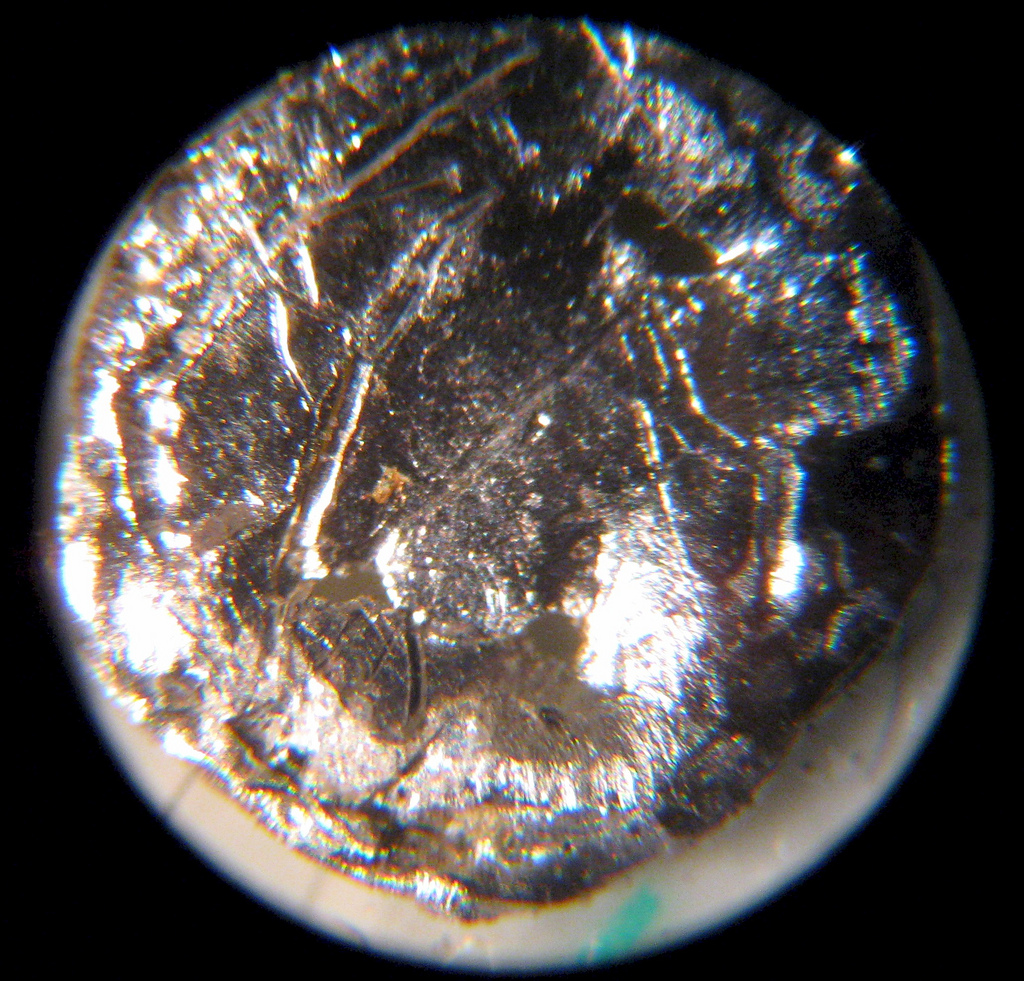
The metal itself is silvery-white and is very radioactive- but it deteriorates slowly in air. This is thought to happen because of a thin protective oxide layer that is automatically formed. It is currently only used in scientific experiments and research.


Thursday, May 8, 2014

Curium

Curium was discovered by Glenn T. Seaborg, Ralph A.James, and Albert Ghiorso in 1944- right after the discovery of Americium. Curium was first named "delirium" because of the troubles that workers had separating it from americium. It was named after Marie and Pierre Curie, who devoted a lot of time working on radioactivity and discovered radium and polonium.

Curium is a dangerous element to handle- if not stored/handled right, it accumulates in bones and destroys the marrow- therefore preventing the formation of red blood cells. It is highly radioactive- so much so that it glows red in the dark. Otherwise, it is a dull silvery-white metal that tarnishes slowly at room temp. It is mainly used in scientific research.


Americium

Americium was founded in? AMERICA! This element was named after it's founding country, and also because it is just below Europium on the Periodic Table- and Europium was named after Europe. It was first discovered in 1944 by Seaborg, James and Morgan at the metallurgical laboratory at the University of Chicago. It is not a natural element, and was discovered as a by-product of plutonium processing.

However, Americium is highly radioactive, and must be stored and handled very carefully because of this. It appears a silvery-white metal, and has a similar density to lead. It is used most commonly in smoke detectors- one gram supplies enough energy for more than 3 million detectors. It tarnishes slowly at room temperature.